The growing repair, maintenance and improvement (RMI) market presents a great opportunity for businesses battling against the current climate of austerity. Steve Bratt, CEO of the Electrical Contractors’ Association (ECA), discusses the detail
The economy continues to be a tough challenge for the construction sector. That means we constantly have to find new ways to work smarter and harder to secure work and bring in income. Companies are being forced to review their business model and the markets in which they operate in a bid to ride out the storm.
One increasingly important and underused market for our industry is repair, maintenance and improvement (RMI). The latest projections predict the RMI market will continue to grow. This is partly driven by the sustainability agenda and government initiatives to meet carbon reduction targets. RMI work often has greater stability when it comes to cashflow, because of factors like advance payments, reduced material costs, and no retentions.
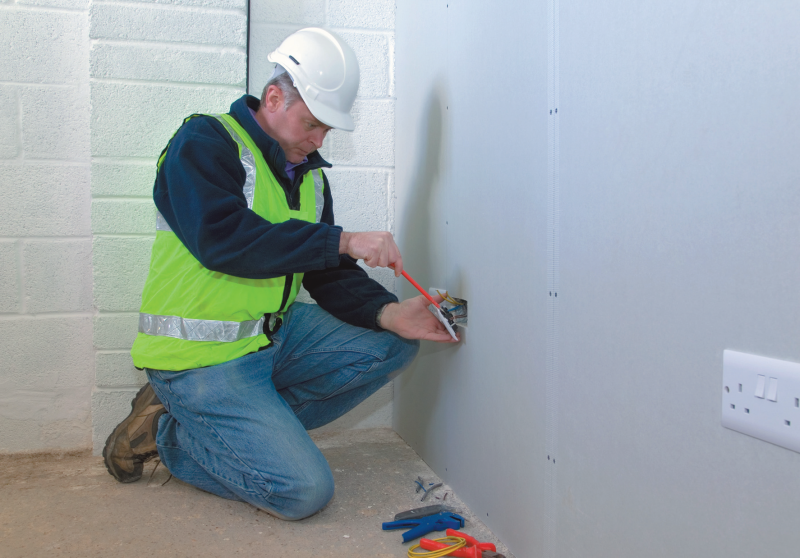 In comparison with the current market for new work, the potential held by the RMI sectors is clear. The new build market is currently weak – the buyer holds all the cards and price is the dominant factor. The result of this for building services companies is uncertainty and shorter order books. That makes the marketplace more competitive and prices more susceptible to being cut, which leads to a downward spiral. This in-turn, traps businesses in a cycle of cashflow instability and reduces their ability to think about the long term.
An appealing alternative
 By contrast, put the same amount of scrutiny into competing for RMI work and it looks an attractive option. RMI contracts are often based on existing relationships, which provide something of a barrier to entry to newcomers to the market, while potentially giving contractors an inside track to new business with existing clients. In addition, there’s a lot less risk passed down the supply chain and poor payment practices are nowhere near as bad. Many RMI type contracts involve advanced or phased payment, with no retentions, which can lead to a more stable cashflow situation for the contractor.
The amount of RMI business is likely to be more stable too. A recent MAINTEC survey showed 80% of engineering and maintenance managers expected their maintenance budget to remain the same or higher this year, despite capital expenditure effectively being on hold. For contractors with existing RMI clients, this is highly likely to result in repeat business and is expected to include work in reducing energy costs and outsourcing maintenance – areas in which electrical contractors are extremely well placed to provide solutions.
It makes good business sense to be proactive in exploring the opportunity for repeat business. Harvard research shows that every five percent increase in retention yields a 25-125% increase in profits, and that repeat customers spend on average 67% more than new ones. Therefore, it also makes good business sense to discuss potential work with your clients – to become a solutions provider, and build on existing relationships.
Conclusion
The old saying, ‘happiness is a positive cashflow’ has never been truer, and the key to keeping cashflow positive lies in loyal customers and a stable business model. Those businesses that will survive and succeed are those with loyal and satisfied clients and those who are prepared to explore and capitalise on the potential offered by new markets.
ECA
T: 0207 313 4800