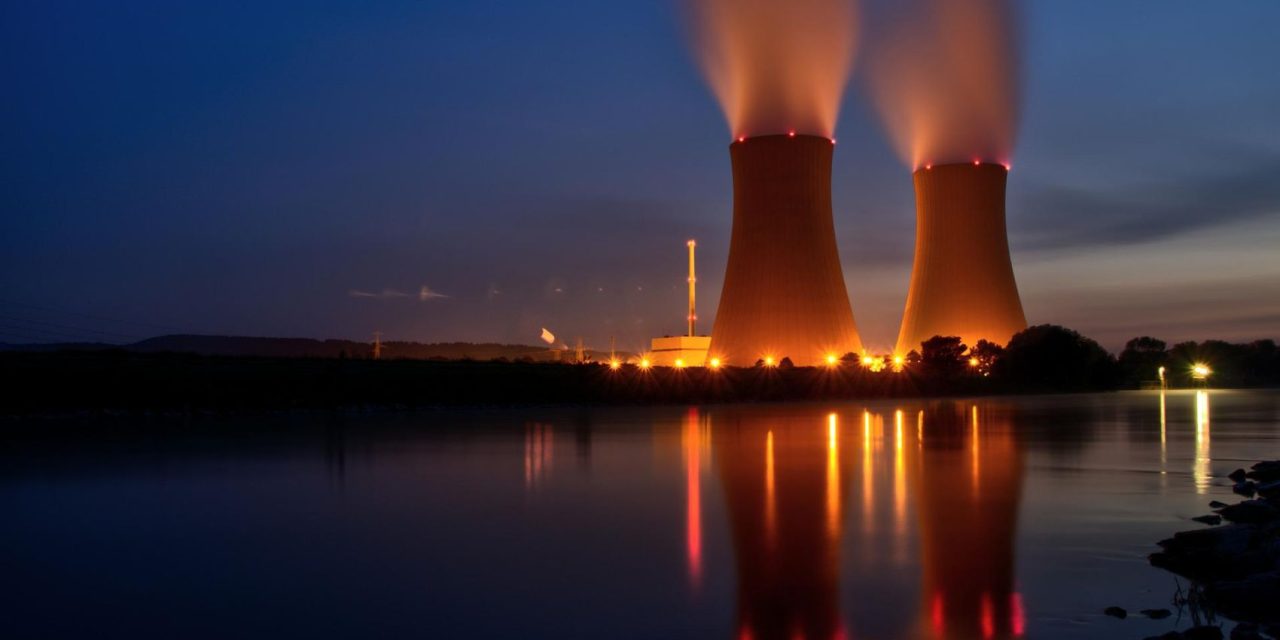
Omniflex has published its latest sector overview exploring the challenges of maintaining critical alarm visability and radiation monitoring during nuclear decommissioning
The free downloadable guide outlines the risks that arise as sites are de-manned, and legacy infrastructure must continue to serve safety-critical functions.
Recent ambitions for new nuclear projects have resulted in decades‑long decommissioning programmes across former UK nuclear sites. Yet continuous safety monitoring remains essential, even as asset managers face shrinking workforces, ageing infrastructure and rising cost pressures.
Sharing the keys to success, Omniflex draws on its experience in safety critical systems and control and instrumentation (C&I) overlay projects, helping some of the sector’s biggest decommissioning projects.
“Decommissioning is a time-intensive process, and asset managers cannot simply switch off the reactor, lock the door and walk away,” explained Gary Bradshaw, director of Omniflex.
“Typically, all spent fuel, much of which is radioactive, must be removed, stored in deep cooling pools and transferred into storage for decades to come. Meanwhile, equipment is dismantled and decontaminated using remote-controlled segmentation. Safety critical monitoring must continue throughout, despite buildings being vacated and onus for managing these being placed increasingly on non-specialist security staff,” Bradshaw continued.
The issue is, overhauling an entire legacy system on a plant undergoing de-manning is a significant financial undertaking and asset managers face a difficult balance act. They must continue to monitor radiation levels, critical alarms and key plant data for safety, while reducing costs and manual oversight.
The guide also explores a recent project where Omniflex successfully delivered a remote monitoring and centralised alarm platform that sat above existing plant infrastructure. The solution reused existing cabling via the company’s Conet network technology, reduced civil works and offered security personnel means of managing safety-critical systems remotely. Radiation hazards, surveillance and alarm visibility were ensured, meaning sites were compliant with regulation and streamlined in its de-staffing.
The latest sector overview from Omniflex explores these unique pressures against a backdrop of increased regulatory scrutiny. With obsolete cabling and control systems — and the need for 24/7 visibility — the overview explains how distributed remote monitoring, intelligent alarm management and scalable system architecture can ensure continuity cost-effectively.
To find out more about Omniflex’s expertise within the nuclear industry, head to the website at https://www.omniflex.com/
To read more from Electrical Engineering, visit our NEWS page