Rising temperatures are forcing a rethink of how low-voltage (LV) infrastructure are designed and managed, as sites across the UK face mounting pressure from increasingly volatile climate conditions
With another hot summer forecast, temperatures in plant and switch rooms are exceeding the conditions many facilities were originally designed around.
This can be critical for high‑impact sites with dedicated LV rooms, such as data centres, hospitals and logistics hubs, where switchboards sit behind all operations.
If those boards overheat or fail, servers will be lost, regardless of how efficient the cooling system appears.
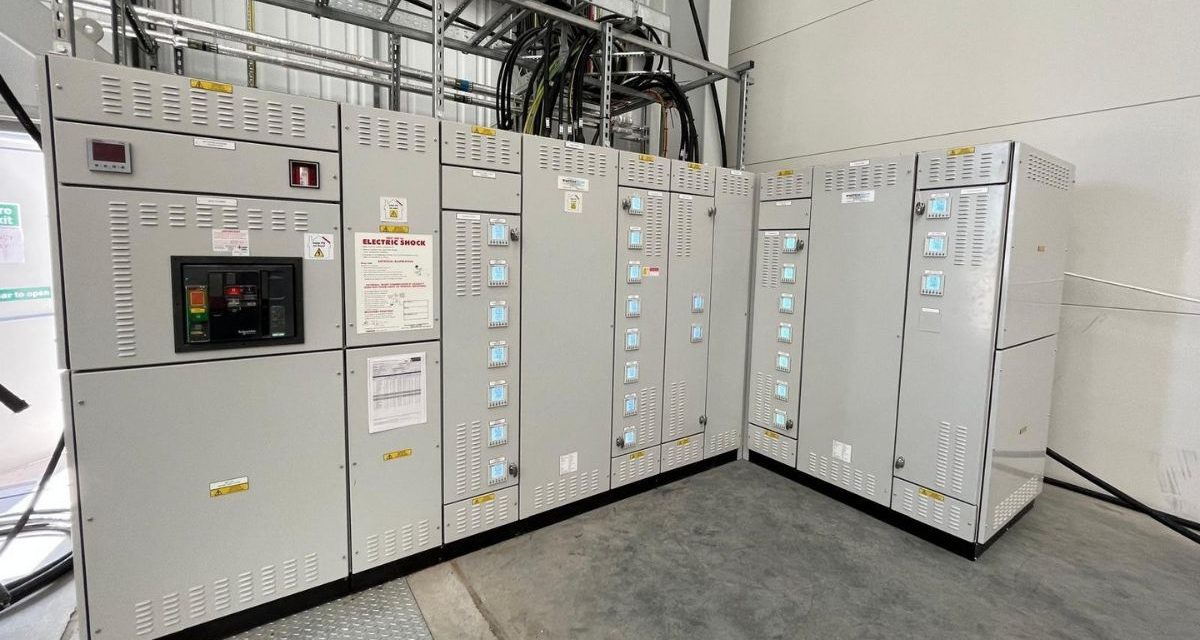
MSSL is responding to this challenge by designing and producing bespoke LV switchboards in line with BS EN IEC 61439-2 standards. Its assemblies are independently certified by ASTA for both temperature rise and short-circuit withstand, ensuring internal components remain within safe operating limits even when temperatures rise.
Managing Director Sean Smith said: “Extreme heat is often seen purely as a cooling challenge, but in reality it is also a power distribution challenge.
“If LV infrastructure is not properly designed and verified for temperature rise, then critical buildings may be carrying more risk than they realise.”
Non‑compliant assemblies are at risk of overheating, insulation damage, and nuisance tripping, potentially leading to serious safety incidents.
Sean has led the conversation around raising awareness for mandatory switchboard compliance, as Chair of BEAMA’s LV Switchboards & Busbar Systems Group.
BEAMA is the leading UK trade association for manufacturers. Sean has featured in the PBSI on behalf of BEAMA to warn about the Consequences of Non-compliance across multiple campaigns.
He added: “Standards such as BS EN IEC 61439‑2 are there to give operators confidence that assemblies will perform safely under increasingly volatile conditions.
“As temperatures continue to rise, that confidence becomes even more important.”
By Scott Fullerton, Operations Manager, AKON Curtains Limited
To read more from Electrical Engineering, visit our NEWS page
Please visit www.mssl.uk.com for more information