
 With energy prices inevitably set to rise still further, the need to be more energy efficient has never been greater. With this in mind, Stephen Woodnutt from Delmatic explains why an open, integrated lighting management system should be at the heart of every commercial building
In years gone by, a lighting management system typically only featured in owner occupied headquarter buildings. However, as technology has changed it has become more flexible and cost effective which has signalled a change in the way that we look at the issue of control.
Providing a flexible system that allows the client to reconfigure parameters to suit changes in workplace layout and function, and so enhance the sustainability of the installation and building, has been one of the key drivers for the success of lighting management.
For example, a correctly installed lighting management system will optimise energy efficiency and sustainability and at the same time will provide total flexibility through the addressable control of every luminaire in a building. By combining comprehensive central management and monitoring of the installation with powerful local user control, the client is able to ensure that energy is not wasted and at the same time, ensure that the comfort of the occupants of the building is maintained.
In a typical system, virtual wiring technology links each of the luminaires to local control devices through software which enables the complete system to be programmed and adapted to suit the needs of each individual building. This means that even if the layout of the office space changes on a regular basis, the control system can be easily re-programmed to suit.
This provides numerous benefits which include the ability to monitor the lighting in real time and make any necessary adjustments to maximise energy savings. However, another benefit comes from the fact that this monitoring will allow you to log the lamp hours of each individual luminaire and thus generate a recommended re-lamping schedule which will provide longer term savings from the reduction of wastage.
The heart of the network
While the installation of a lighting management system is a step in the right direction, the installation alone will not provide the benefits and savings which you need to achieve, because in order to achieve true savings you need to address the issue of integration.
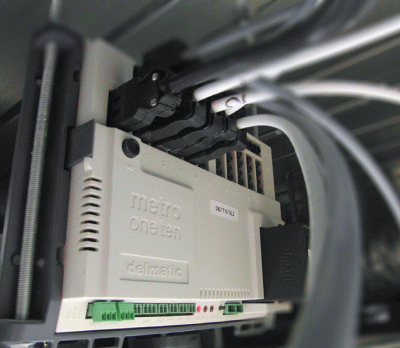
An integrated, open system incorporates the technologies of DALI, LON, BACnet and IP which ensures high speed, seamless integration and interoperability with other services. What this means is that in any installation you can select products from a number of different manufacturers which can communicate seamlessly using a common bus or network and as a result, the system will offer enhanced features which would not be available in closed proprietary systems.
Energy efficiency is then optimised by the use of presence and absence detection and daylight linked dimming as well as by integrating the control of other devices such as air conditioning. For example, a single sensor can relate the lighting, heating and cooling to the occupancy in a room and as a result, by reducing the lighting you can automatically reduce the cooling load which further enhances the savings which can be achieved over the operational lifetime of the building.
 Appropriate solution
What it is important to remember is that as far as lighting management systems are concerned there is no ‘one size fits all’ approach and therefore, what works for one building will not necessarily work for another. The challenge is to select the most appropriate solution which meets the needs of the client, the budget and the building.
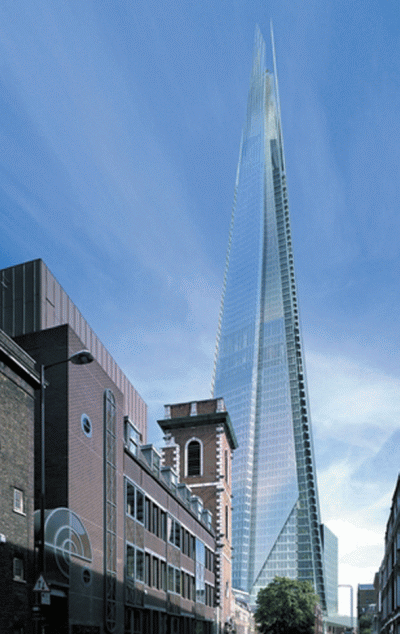
A good example of this is the installation of a Delmatic lighting management system at The Shard in London, which at 310 metres high will be the tallest structure in the UK and Europe when it is completed. The system was specified to suit the needs of this unique structure and as a result provides fully addressable management and monitoring of lighting throughout the core areas, and the ability to extend and create integrated control within the tenant areas. An additional benefit is that it provides automated testing of the entire emergency lighting network in accordance with BS EN 50172.
The drive towards energy efficiency continues to gain momentum, and with lighting accounting for around 25% of an organisation’s energy costs, a lighting management system is a good place to start to make savings. However, beware of a ‘fit and forget solution’ because you will only achieve real savings by working towards an open integrated solution.
By sharing key data and pooling information it is possible to optimise the efficiency of any building and achieve joined up control of all of your energy consuming devices – and it is this that will lead to the long term savings which we are all striving for.
